
You may have noticed that more people are turning to AI chatbots like ChatGPT for answers to their health questions. Recent surveys show that about one in six adults, and even higher percentages among younger adults, regularly consult AI for medical information.
The appeal is clear: You get instant responses, you don’t have to wait for an appointment, and the information is just a click away.
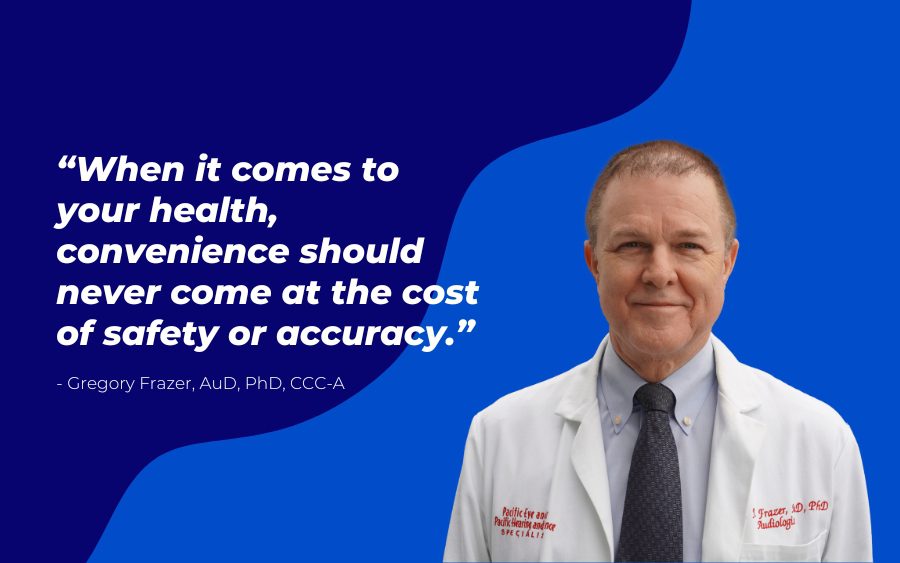
But when it comes to your health, convenience should never come at the cost of safety or accuracy. You deserve care that’s not only fast but also reliable, compassionate, and tailored to your unique needs. That’s why seeing a real doctor remains the gold standard for your medical well-being.
Why You Might Be Tempted by AI
It’s understandable if you’ve felt frustrated by long wait times, rushed appointments, or high medical bills. You want answers now, and AI chatbots are always available. You might even feel that a chatbot listens more patiently or responds more kindly than a busy doctor.
However, while AI can offer quick replies and even a friendly tone, it cannot replace the expertise, training, and human understanding that you receive from a real healthcare professional.
When you rely solely on AI, you risk missing out on the personalized attention and thorough care that only a doctor can provide.
Remember, chatbots use artificial intelligence. Doctors use real intelligence!
The Real Risks of Relying on AI Chatbots for Medical Advice
AI chatbots are known to give incomplete, inaccurate, or even entirely fabricated answers.
Studies have shown that when people use chatbots for medical scenarios, the chatbots choose the correct next steps less than half the time. This means you could be making important decisions about your health based on advice that isn’t trustworthy.
AI chatbots often lack clear disclaimers, and it’s easy to forget that they are not licensed medical professionals. You might find yourself following a chatbot’s suggestion for a diagnosis or treatment plan, not realizing that the information could be outdated, misunderstood, or simply wrong.
When it comes to your health, you deserve better than guesswork.
How You Benefit From Seeing a Real Doctor
When you visit a real team of medical professionals, you benefit from years of medical training, hands-on experience, and a deep understanding of how the human body works.
Your doctor can perform physical exams, order and interpret lab tests, and ask the right follow-up questions to get to the root of your symptoms.
You can rest assured that your doctor is committed to your well-being and to using evidence-based medicine and the latest research to guide your care.
Whether you need a diagnosis, a treatment plan, or reassurance, your doctor is equipped to provide the support and expertise you need to make informed decisions about your health.
When AI Can Help, and When You Should See a Doctor
AI chatbots can be useful for basic information, general health tips, or helping you prepare questions for your next appointment. For example, you might use a chatbot to learn about common symptoms or to get an overview of a condition. By bringing any information you find online to your doctor, you empower yourself to have more informed conversations and make better decisions.
However, AI should never be your only source of medical advice, especially if you have new, worsening, or serious symptoms.
You should always see a doctor if:
- You experience severe or persistent symptoms
- You need a diagnosis or treatment plan
- You have questions about medications or test results
- You are unsure about the advice you’ve received online
Your health is too important to leave to chance. When in doubt, trust a real healthcare professional who can provide the care and guidance you deserve.
The Future of Healthcare: You at the Center, Supported by Experts
Your care should always be guided by a real person who understands your unique needs. You can look forward to a future where technology and healthcare professionals work together to improve your experience.
Remember, AI is a tool, not a replacement for the expertise and compassion of a real doctor. If you want information, AI could assist. But if you want knowledge, you should get in touch with our team of experts to find the answers you need.
Your Health Deserves the Best
You deserve healthcare that is accurate, compassionate, and tailored to you. While AI chatbots can offer quick answers, they cannot replace the value of seeing a real doctor.
For your peace of mind and your well-being, always consult a licensed healthcare professional for your medical needs. For hearing health questions, contact us to get care and knowledge that AI simply can’t replicate! We’re here to help every step of the way.
Frequently Asked Questions (FAQ)
Is it safe to use AI chatbots for medical advice?
AI chatbots can provide general health information and help you understand basic concepts, but they are not a substitute for professional medical advice. You should never rely solely on a chatbot for diagnosis or treatment decisions.
Chatbots can make mistakes, misinterpret your symptoms, or provide outdated information. For anything beyond general knowledge, it’s safest to consult a real doctor who can evaluate your unique situation and provide personalized care.
What should I do if I get conflicting advice from AI and my doctor?
If you receive different recommendations from an AI chatbot and your doctor, always prioritize your doctor’s advice. Your doctor has the training, experience, and access to your medical history needed to make informed decisions about your care.
If you’re unsure or have concerns, discuss the information you found online with your doctor; they can explain the reasoning behind their recommendations and help you make the best choice for your health.
Can AI chatbots help me prepare for my doctor’s appointment?
Yes, you can use AI chatbots to gather general information, learn about symptoms, or prepare questions for your doctor. This can help you feel more confident and informed during your appointment.
However, remember that only your doctor can provide an accurate diagnosis, correctly interpret test results, and recommend treatments that are right for you. Use AI as a supplement, not a replacement, for professional medical care.
Sources
The New York Times: As more and more Americans turn to chatbots for health advice, what is the cost to their overall well-being when chatbots hallucinate treatments or elaborate on misinformation?
Mount Sinai: This comprehensive analysis of multiple large language models illustrates how unreliable chatbots and AI can be for health advice.
