
Imagine this: A patient walks into Pacific Hearing Inc. feeling drained, foggy, and frustrated by subtle changes in their hearing. After a conversation about lifestyle, they decide to swap out daily processed snacks for more whole foods: fruits, veggies, and lean proteins.
Within weeks, their energy improves, their focus sharpens, and even their hearing feels clearer. It’s a reminder that while most people think about diet for weight or heart health, your ears and brain are just as connected to what you eat.
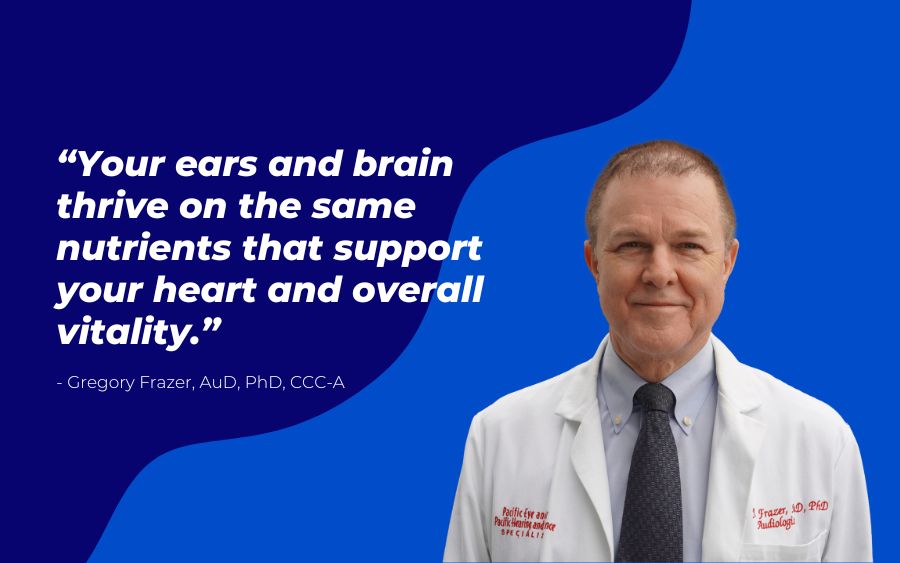
We rarely consider how our food choices affect our hearing and cognitive clarity. But the truth is, your ears and brain thrive on the same nutrients that support your heart and overall vitality.
The Processed Food Problem
For centuries, humans have processed food: grinding grains, canning fruit, or freezing vegetables. But as Alice Callahan, PhD, explains, the late 1800s brought a new wave of “ultraprocessed” foods: think Coca-Cola, Jell-O, Spam, and Oreos.
These products were designed for convenience and packed with additives, sugars, and refined oils to make them last longer and taste irresistible.
Ultraprocessed foods are more than just “packaged” or “ready to eat.” They’re industrial creations loaded with artificial flavors, preservatives, and other ingredients you’d never find in a home kitchen.
Over time, these foods have crowded out real, nourishing options. Today, about 70 percent of the US food supply is ultraprocessed. These items are quick, cheap, and everywhere, but they come at a cost.
You might notice the impact in subtle ways: feeling sluggish after a processed lunch, struggling to concentrate, or noticing your energy dips.
Over years, the toll grows: Research links ultraprocessed diets to rising rates of obesity, diabetes, and heart disease. And as we’re learning, your hearing and brain health are also on the line.
The Hearing Connection
What does your diet have to do with your ears? Quite a lot, actually.
Your inner ear is a marvel of tiny, delicate blood vessels and nerve cells. Just like your heart and brain, healthy hearing depends on strong circulation and minimal inflammation.
When you eat a diet high in ultraprocessed foods, you expose your body to chronic inflammation, unstable blood sugar, and poor vascular health. Over time, this can damage the sensitive structures in your ear, leading to faster hearing decline.
Your ears rely on tiny, delicate blood vessels and nerve cells. When those are damaged by inflammation or poor circulation, hearing can decline faster, often before you even notice.
Major research endeavors back this up, highlighting the links between hearing loss and cardiovascular or metabolic conditions. The same risk factors that harm your heart, like high blood pressure, diabetes, and chronic inflammation, can quietly erode your hearing, too.
A Practical Approach to Better Hearing Nutrition
The good news? You have the power to support your hearing and brain health with every meal. Here are a few simple, effective steps you can start today:
- Focus on real, whole foods. Fill your plate with fruits, vegetables, lean proteins (like chicken, fish, or beans), and whole grains. These foods are naturally rich in the nutrients your ears and brain crave.
- Choose foods high in antioxidants and omega-3s. Salmon, walnuts, flaxseeds, and berries help fight inflammation and support nerve health.
- Stay hydrated and limit added sugars and sodium. Water keeps your cells healthy, while too much sugar or salt can harm circulation and increase inflammation.
- Try cooking one extra meal at home each week. Even a simple homemade dinner can help you avoid hidden additives and control what goes into your food.
- Notice how you feel. As you swap out ultraprocessed foods, pay attention to your energy, focus, and even your hearing clarity. Small changes can add up quickly.
Remember, this isn’t about guilt or perfection. Every positive choice is a step toward better hearing, sharper thinking, and more vibrant living.
Your Partner in Healthy Hearing
At Pacific Hearing Inc., you benefit from a holistic approach to hearing health.
Our team understands that your ears are part of a bigger picture, one that includes your heart, brain, and daily habits. That’s why we combine expert hearing assessments and care with practical guidance on nutrition, stress, and sleep.
Many patients are surprised to learn that small lifestyle changes, like eating better, managing stress, or getting enough rest, can improve not just hearing, but also focus, mood, and confidence.
You can rest assured that when you partner with our team of experts, you’re supported and understood across every aspect of your well-being.
Positive Takeaway & Next Steps
Your hearing is part of a much bigger picture, one that includes your heart, your brain, and your daily choices. Every step you take toward healthier living brings more clarity, connection, and confidence.
Ready to take control of your holistic health? Book a comprehensive hearing assessment with our team today. You’ll benefit from expert care, sound nutrition advice, and a partner committed to not just your lifelong hearing health, but your overall well-being!
Frequently Asked Questions (FAQ)
Q: How do ultraprocessed foods affect my hearing?
A; Ultraprocessed foods can increase inflammation and harm blood vessels, including those that supply your inner ear. Over time, this can speed up hearing loss and reduce your ability to process sounds clearly.
Q: What foods are best for supporting hearing health?
A: You benefit most from whole foods like fruits, vegetables, lean proteins, whole grains, and foods rich in antioxidants and omega-3s (such as salmon, walnuts, and berries). These support healthy circulation and protect delicate ear structures.
Q: Can small dietary changes really make a difference?
A: Absolutely! Even small steps like cooking more at home or swapping out processed snacks can improve your energy, focus, and hearing clarity. You can rest assured that every positive change supports your overall wellness.
Source
The New York Times: Alice Callahan’s article details how America has turned into “the ultraprocessed nation,” and how we can reverse damage to our overall health.

