Dementia, Hearing Loss, and the Cost of Waiting

|
Gregory Frazer
|
Mar 10, 2026
You may be surprised to learn that dementia is often diagnosed years after symptoms first appear.
According to published research, the average time from the onset of symptoms to a formal dementia diagnosis is about 4.1 years, and this delay is even longer for younger-onset cases.
These delays aren’t because the early signs are invisible but because they’re easy to overlook or misinterpret. It’s a system-wide challenge: healthcare providers, families, and even you may miss subtle changes until they become more obvious.
Why Early Cognitive Changes Are So Easy to Miss
You might notice small changes in yourself or a loved one: forgetting appointments, struggling to find the right word, or feeling less sharp than usual. It’s easy to chalk these up to normal aging, stress, or even mood changes.
But memory isn’t the only early sign of dementia. Often, the first changes involve communication: difficulty following conversations, needing things repeated, or withdrawing from social situations.
These symptoms can overlap with untreated hearing loss, making it even harder to spot what’s really going on.
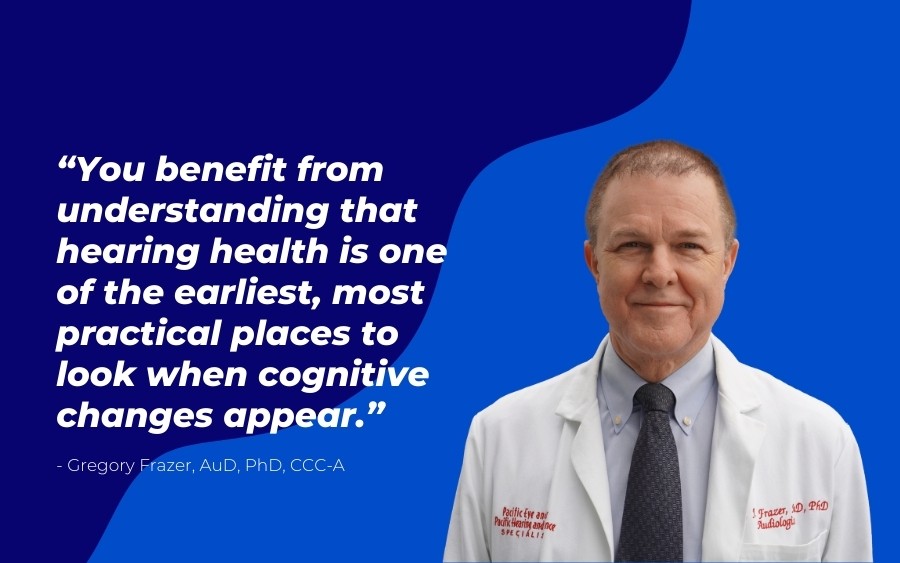
You benefit from understanding that hearing health is one of the earliest, most practical places to look when cognitive changes appear. By paying attention to your hearing, you can catch issues that might otherwise be mistaken for something else.
The Hearing–Brain Connection
When you experience hearing loss, your brain has to work harder to decode sounds. Increased cognitive load can leave you feeling mentally exhausted, especially after social interactions or meetings. Over time, reduced auditory input can lead to social withdrawal and less stimulation for your brain.
Addressing hearing loss isn’t just about your ears; it’s about supporting your brain, too.
Research has shown that hearing loss is the number one modifiable risk factor for cognitive decline and dementia. That means you have the power to take action and potentially reduce your risk by treating hearing challenges early.
What the Research Says About Hearing Aids and Dementia Risk
A recent study published in Neurology found that people who use hearing aids have a lower risk of developing dementia compared to those who do not use them.
The study also showed that more consistent hearing aid use was linked to better outcomes. While cognitive scores didn’t change dramatically, the reduction in dementia risk was significant.
You should know that hearing aids are not a cure for dementia; instead, they act as a protective, supportive intervention, helping you stay engaged, connected, and mentally active.
By using hearing aids when needed for your hearing challenges, you’re taking a proactive step to support your long-term brain health.
Why Hearing Care Belongs in Early Detection
You benefit most when hearing care is part of your regular health monitoring. Regular hearing assessments can help identify and treat hearing loss before it leads to bigger problems.
By addressing hearing challenges early, you can:
Reduce listening fatigue: Less strain means more energy for the things you love.
Support communication and engagement: Stay connected with family, friends, and your community.
Remove one avoidable contributor to cognitive strain: Give your brain the best chance to thrive.
You can rest assured that early intervention works best, as waiting only allows problems to compound, making solutions more complex and outcomes less certain.
Why Pacific Hearing Inc. Takes This Seriously
At Pacific Hearing Inc., you benefit from advanced diagnostic capabilities and a national reputation for excellence.
Our evidence-led, methodical testing process ensures you receive the most accurate assessment possible, as your long-term brain and hearing health are always the priority.
You can expect thorough assessments, technology trials, and expert-led care across your lifespan. Our team’s commitment is to partner with you for life, providing clarity, confidence, and proactive support for both your hearing and your cognitive health.
Don’t Wait for Answers
If you or someone you love has concerns about hearing or memory, now is the time to act. You benefit from early action, as it creates more options, clearer answers, and greater confidence in your future.
Book a comprehensive hearing assessment with Pacific Hearing Inc. today, and take the first step toward protecting your hearing and your brain health. You can rest assured that you’re partnering with experts who put your well-being first.
FAQs
Q: How does untreated hearing loss increase my risk of dementia?
A: Untreated hearing loss increases cognitive load, forcing your brain to work harder to process sounds. This extra effort can lead to mental fatigue, social withdrawal, and less stimulation for your brain, all of which are linked to a higher risk of cognitive decline and dementia. By addressing hearing loss early, you reduce this strain and help protect your brain health.
Q: Will using hearing aids prevent dementia?
A: While hearing aids are not a cure for dementia, research shows that consistent use is associated with a lower risk of developing dementia. Hearing aids help you stay engaged, communicate more easily, and keep your brain active. They are a protective intervention that supports your cognitive health.
Q: Why should I choose Pacific Hearing Inc. for my hearing care?
A: You benefit from Pacific Hearing Inc.’s advanced diagnostics, evidence-led approach, and commitment to your long-term well-being. Our thorough assessments and expert-led care ensure you receive the best possible support for both your hearing and brain health. By partnering with Pacific Hearing Inc., you can rest assured that your care is in expert hands.
Sources
Neurology: For the latest research on hearing loss and its connection to cognitive decline and dementia, take a look at this article from Neurology.org.
National Library of Medicine: Find out more modifiable risk factors for dementia by taking a look at the study here.